On Saint Martin’s Island, A Tourism Ban Left Dogs Starving, So This Man Feeds Them Every 48 HoursHidrėlėySun, October 11, 2026 at 5:09 AM UTC
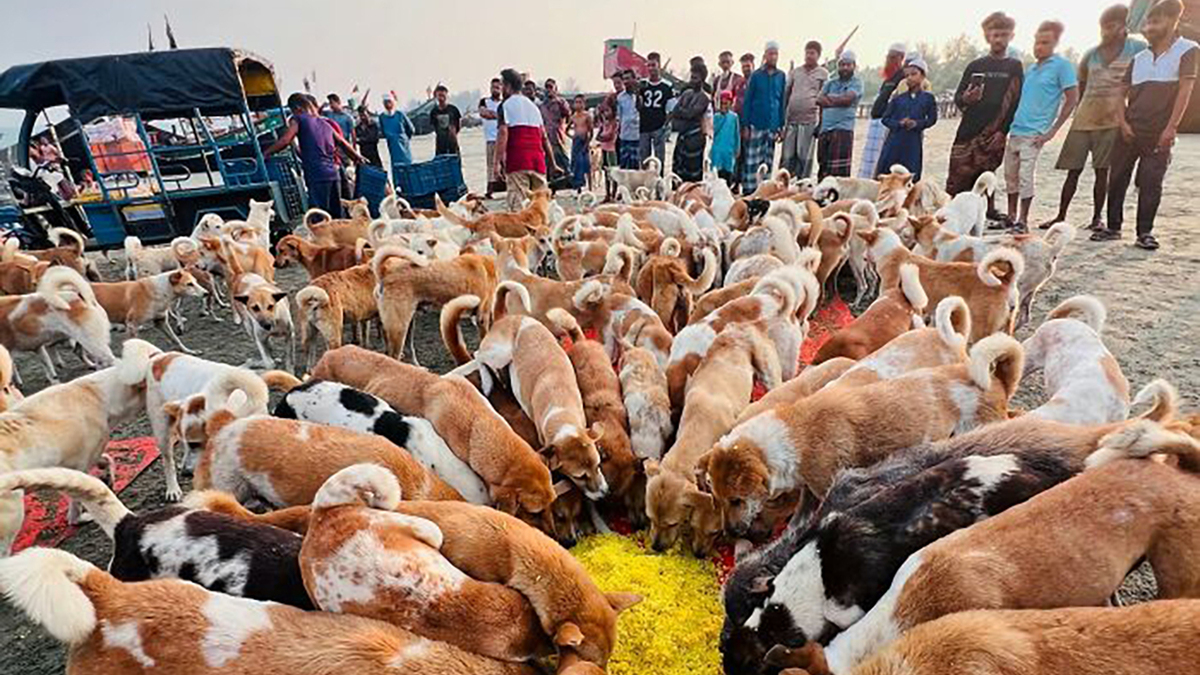
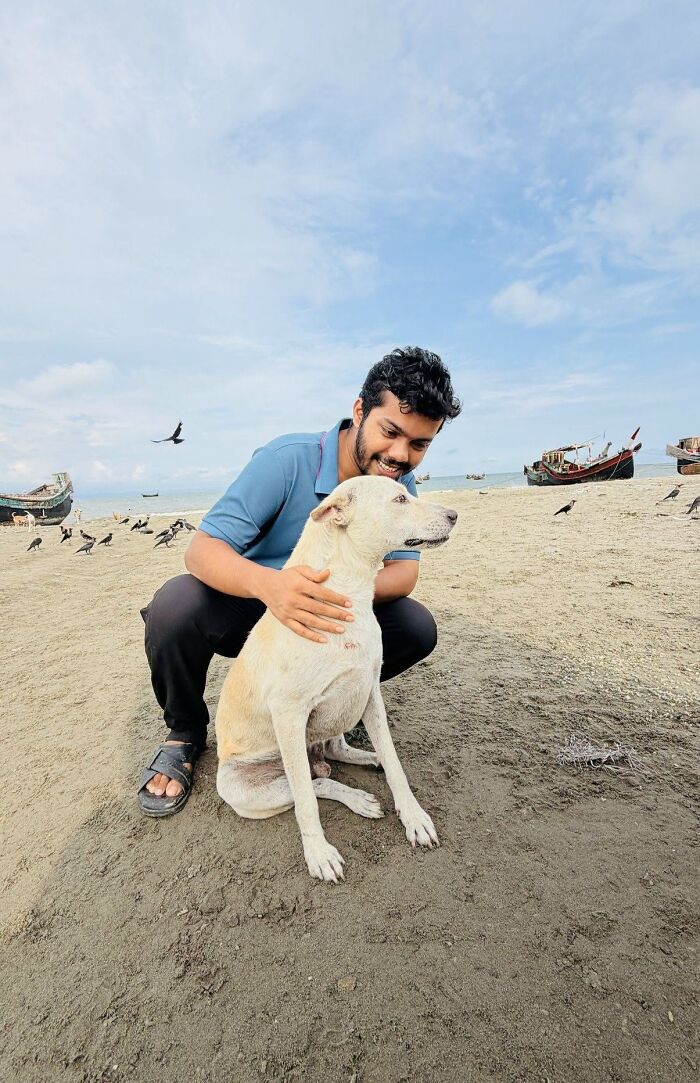
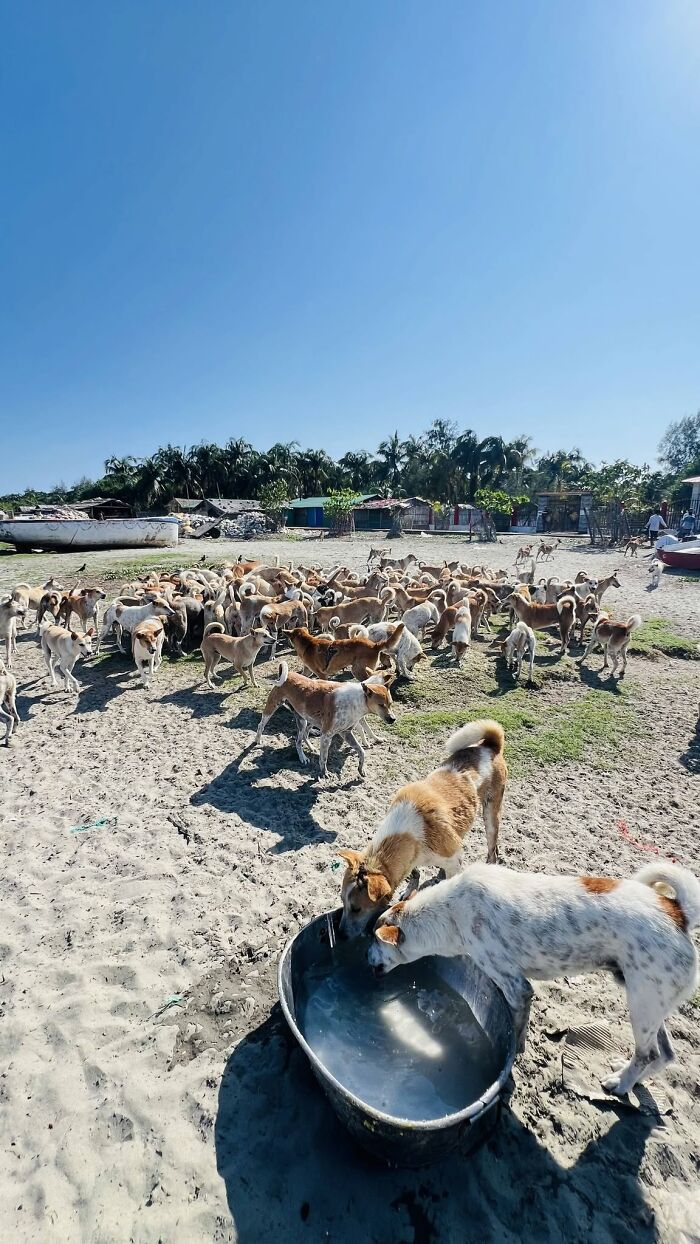
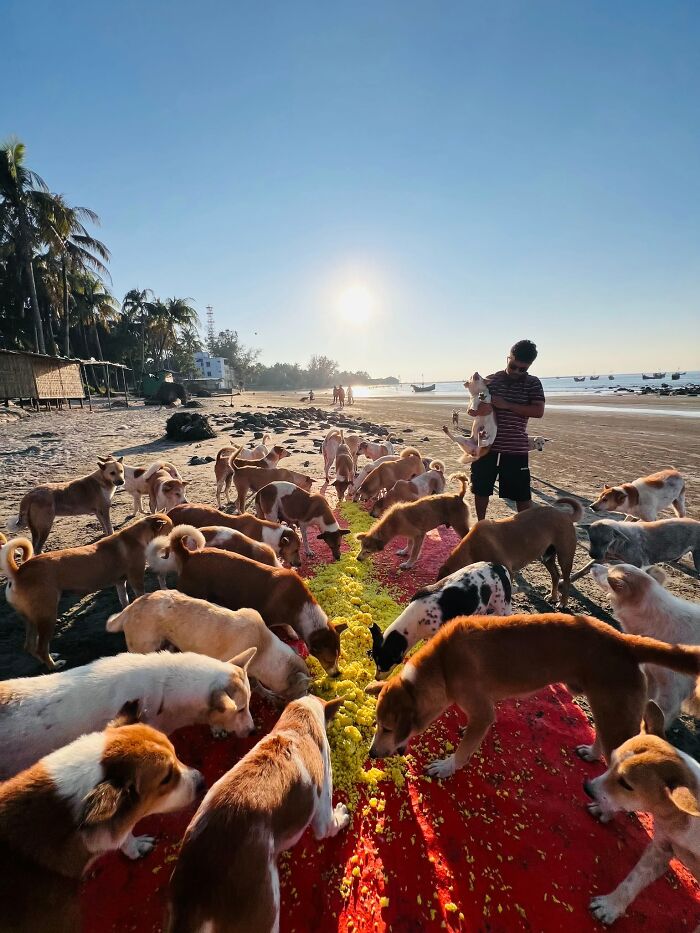
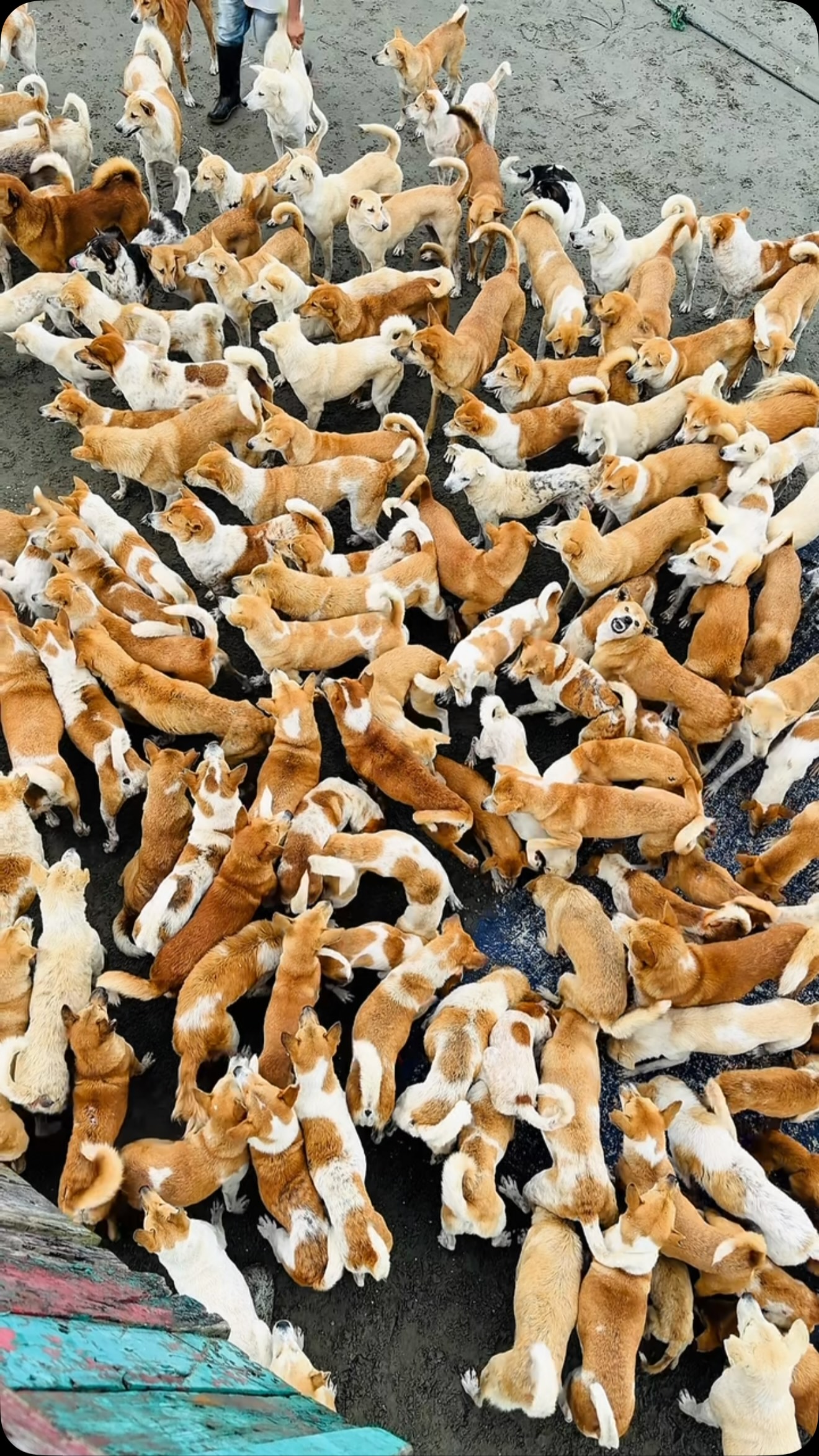
For hundreds of street dogs living on Saint Martin’s Island in Bangladesh, something as simple as a meal can mean the difference between life and death.Saiful Islam Bishos has dedicated himself to helping these animals after tourism restrictions dramatically reduced one of their main sources of food. For years, many of the island’s dogs had survived largely on leftovers from tourists, hotels, and restaurants. When that food became scarce, Saiful says the situation quickly became desperate.According to him, hundreds of dogs died from starvation, while many others became so weak that they could barely bark or even run when someone approached them. Faced with their suffering, Saiful began documenting what was happening, speaking about it on social media, and reaching out to animal welfare organizations for help.His efforts were not easy. Saiful told Bored Panda that restrictions on the island made it difficult for outside organizations to intervene. He also says that his determination to protect and feed the dogs has brought him pressure and hostility from some people around him. Still, he refused to stop.Today, with the support of an organization funding the feeding program, the situation has improved significantly. The dogs currently receive one meal every 48 hours. It may not sound like much, but Saiful explains that for many of them, it is the only food they receive.The difference is visible. Dogs that were once severely underweight and exhausted are now healthier and energetic enough to travel considerable distances when feeding time arrives. Some walk one or two kilometers through difficult terrain, while others even swim through the water to reach the food.“Now, they come to eat with so much excitement and joy,” Saiful told Bored Panda. “That one meal is their only source of food. For them, it is not just a meal—it is their only chance to eat and survive.”The photos Saiful shared with us show both sides of this story: dogs in heartbreaking condition before receiving regular help, and the enormous gatherings that now take place when food arrives. They also show just how many animals depend on this effort.Saiful does not receive a salary for caring for them. What keeps him going is something much simpler: his bond with the dogs and his belief that abandoning them is not an option.And perhaps the most powerful part of his story is that the dogs seem to know exactly who is fighting for them. Whenever food arrives, hundreds gather—not only for the meal that keeps them alive, but around the people who continue to show up for them.For Saiful, they are worth every effort. And looking at these images, it is difficult not to see him as what he truly is to these animals: a hero without a cape.1. Was there one particular dog or moment that made you realize you could never give up on them?Saiful: Every dog was in this condition—some were in an even worse state. Most of these dogs have now been sterilized, and in many ways, they represent the last generation of street dogs on this island. I could not accept the idea of allowing their final days on this beautiful seashore to end in such a cruel and painful way.I kept trying. I believe God gave me the strength to continue, and I refused to give up.2. What is the situation of the dogs on Saint Martin’s Island today, and what do they need most right now?Saiful: Today, the dogs receive one meal every 48 hours, and physically, they have improved significantly. Before, they were so desperately hungry and weak that they could barely bark, and even when someone tried to chase them away, they were often too weak to run.Now, they come to eat with so much excitement and joy. There are many dogs who travel one or two kilometers through difficult terrain just to reach the food. Some even swim through the water to get there.That one meal is their only source of food. For them, it is not just a meal—it is their only chance to eat and survive.3. If people around the world read your story and want to help you and the dogs, what is the best way they can do that?Saiful: Yes, absolutely. There is an organization that is funding the feeding program through me. People can donate to the organization to support the dogs. I’ll send you the details shortly.More info: Instagram | Facebook | youtube.com
Saint Martin’s Island is a small coral island in the Bay of Bengal, off the southern tip of Bangladesh, and for years it was one of the country’s busiest beach getaways. Just a few years ago, ships carried 5,000 to 6,000 visitors there every day, and hundreds of street dogs lived on whatever those tourists, hotels, and restaurants left behind.
That changed in late 2024, when the government restricted tourism to protect the island’s environment. Visitors are now allowed only from November to January, capped at 2,000 people a day, and before the latest season, the island had been closed to tourists for nine months. With the crowds gone, the dogs lost almost their only source of food.
Saiful Islam Bishos refused to look away. Working without a salary and with very little outside support, Saiful documented the crisis, asked for help, and eventually began organizing regular meals.
More info: Instagram | Facebook | youtube.com
After tourist leftovers vanished, hundreds of dogs starved, and Saiful kept asking for help despite local hostility
saifulislambishos
saifulislambishos
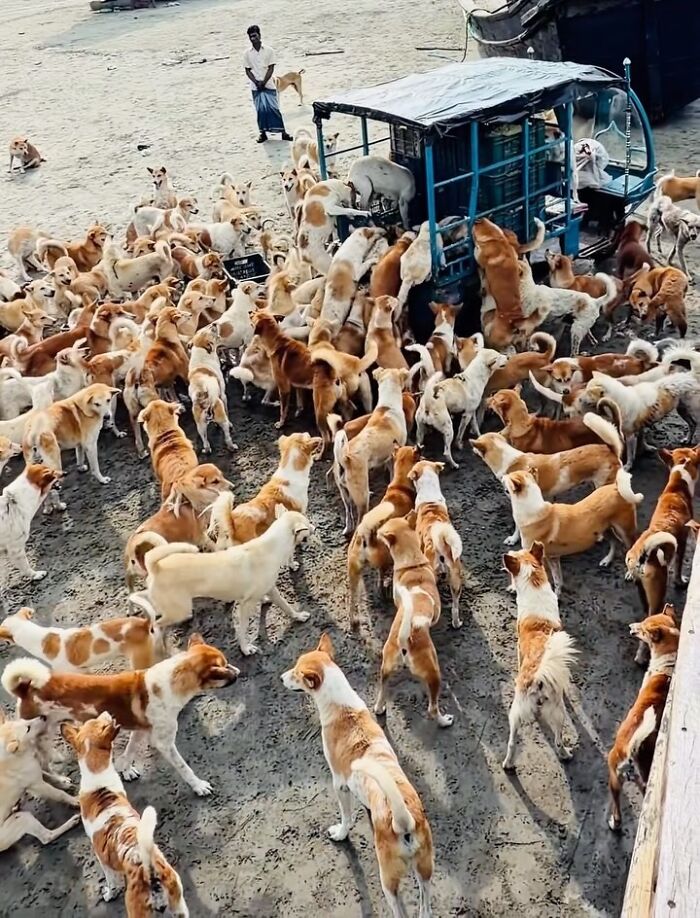
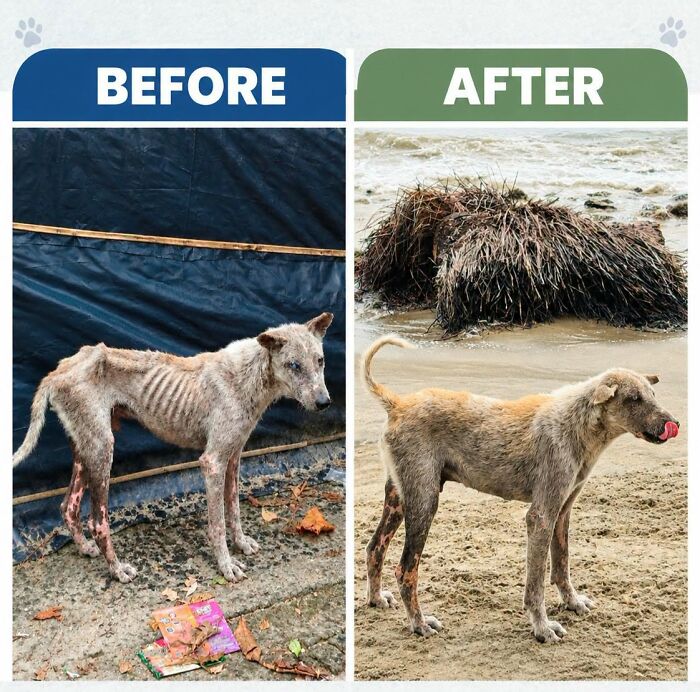
Once the tourists stopped coming and the scraps vanished, things deteriorated quickly. According to Saiful, hundreds of dogs didn’t survive the starvation, and many of those that did were left dangerously weak. “They were so desperately hungry and weak that they could barely bark, and even when someone tried to chase them away, they were often too weak to run,” the volunteer recalled in an interview with Bored Panda.
Unable to watch the dogs waste away, the man began photographing what was happening, posting about it on social media, and contacting animal welfare organizations in the hope that someone would step in. Help didn’t come easily. The same restrictions affecting the island made it difficult for outside organizations to intervene, and the effort to keep the dogs fed drew pressure and hostility from some people nearby. Still, the feeding never stopped.
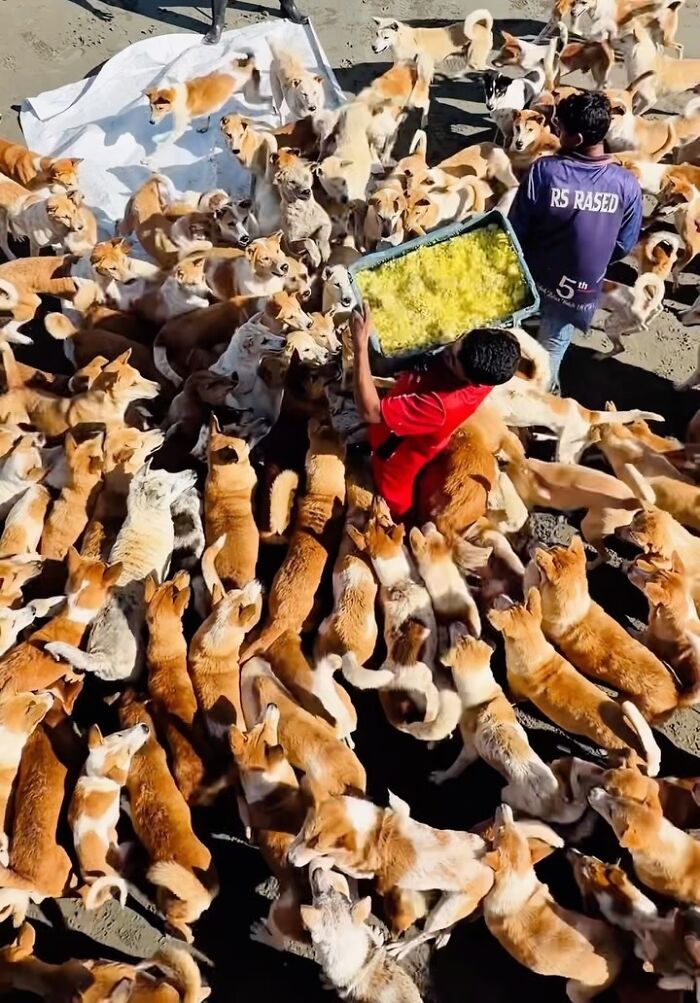
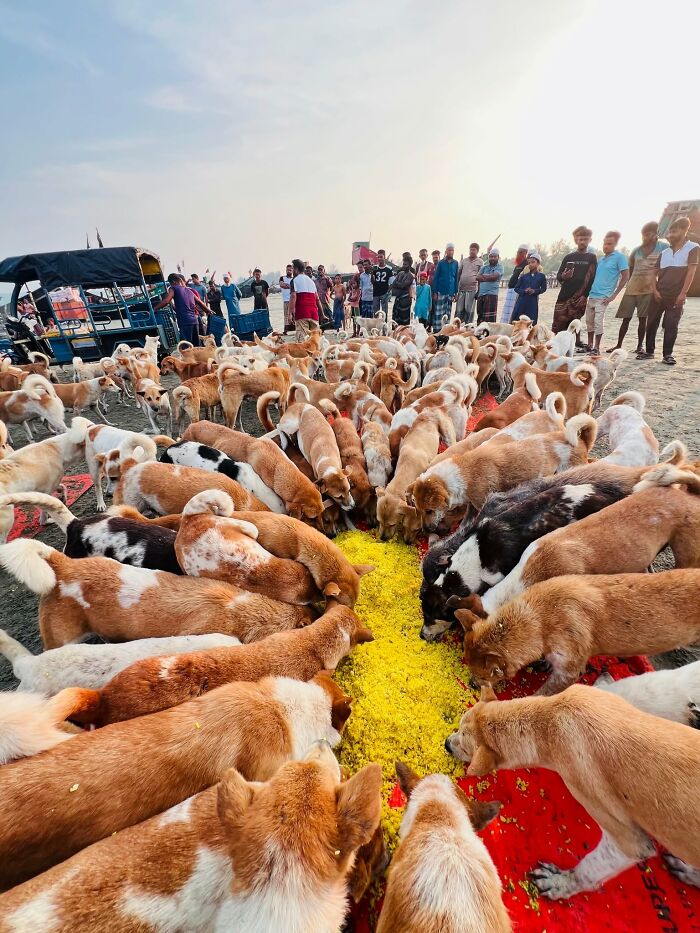
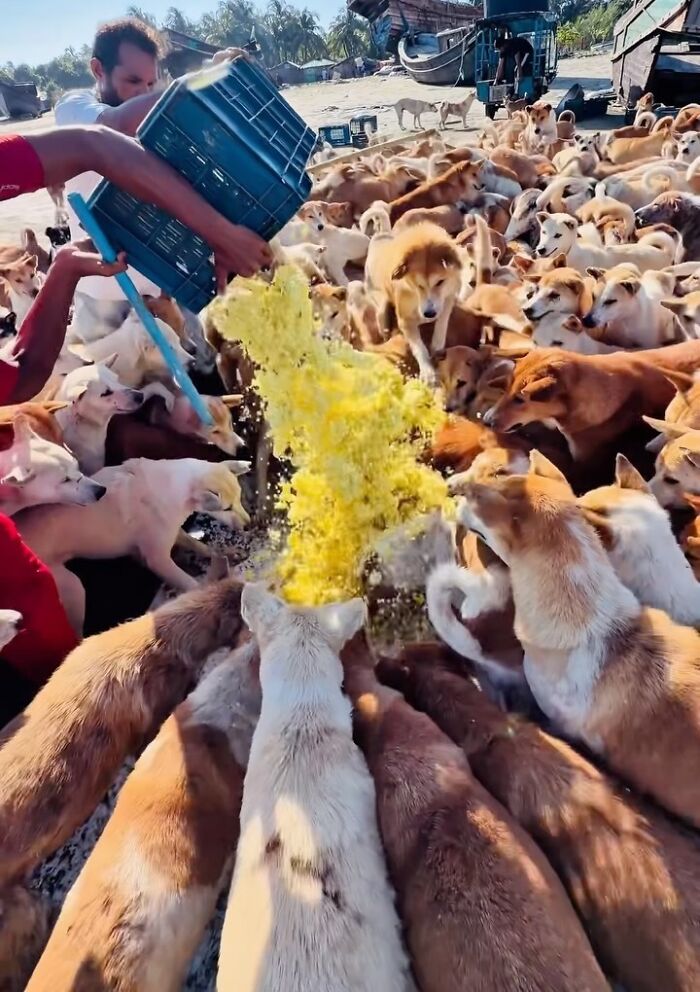
Thanks to an organization funding the meals, the dogs now eat once every 48 hours, and some walk two kilometers or swim to reach the food
saifulislambishos
saifulislambishos
saifulislambishos
Eventually, an organization agreed to fund a feeding program run through Saiful. The dogs now receive one meal every 48 hours. It may not sound like much, but for most of them, it’s the only food they get. “That one meal is their only source of food,” he explained. “For them, it is not just a meal, it is their only chance to eat and survive.”
saifulislambishos
saifulislambishos
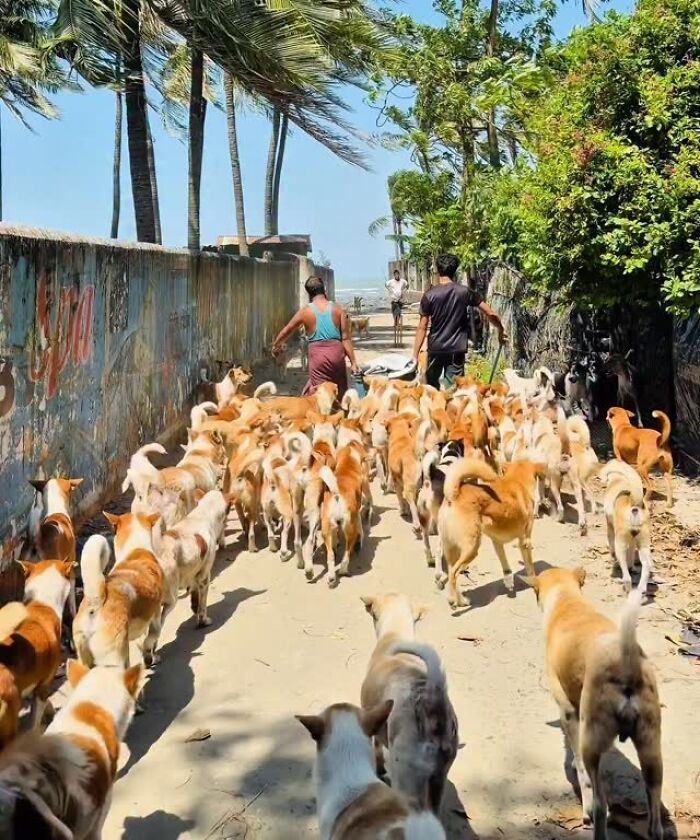
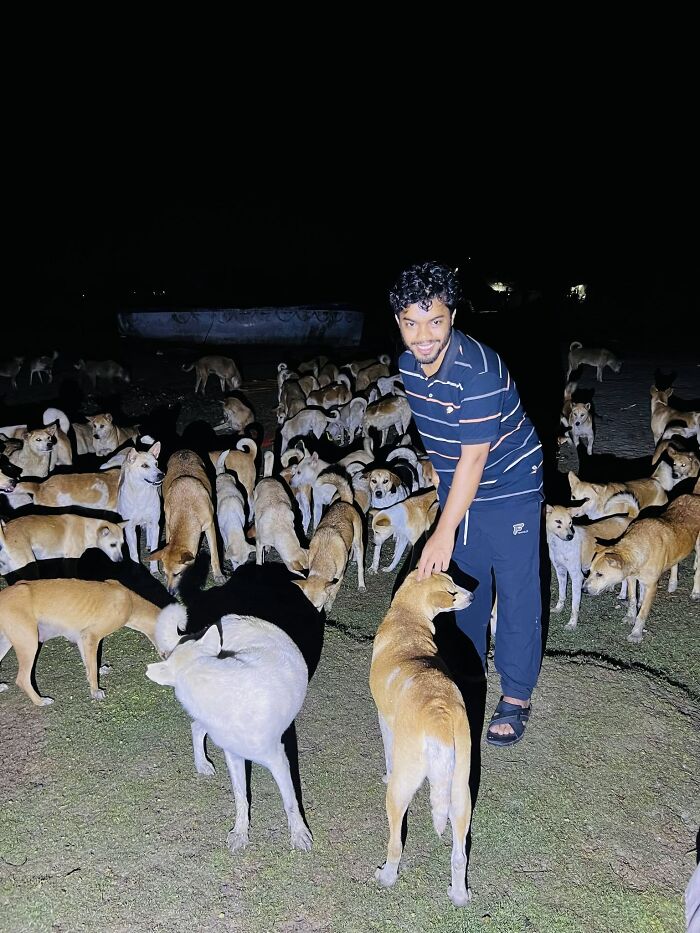
Even so, the change is easy to see. Dogs that were once severely underweight have filled out and regained their energy, and feeding time has turned into an event. Some walk one or two kilometers across difficult terrain to get there, while others swim through the water. “Now, they come to eat with so much excitement and joy,” the man shared. The dogs also seem to know exactly who has been fighting for them: whenever the food arrives, hundreds gather not only for the meal but around the people who keep showing up.
Unpaid and unwilling to quit, Saiful is fighting for what may be the island’s last generation of street dogs
saifulislambishos
saifulislambishos
Asked whether one particular dog or moment made giving up impossible, the Bangladeshi volunteer said it was all of them. Every animal he found was starving and painfully thin, he explained, and “some were in an even worse state.” Most of them have since been sterilized, so in many ways they’re the last generation of strays on Saint Martin’s Island, which made walking away unthinkable. “I could not accept the idea of allowing their final days on this beautiful seashore to end in such a cruel and painful way.”
saifulislambishos
That generation is still a large one. Estimates of the canine population on Bangladesh’s only coral island vary widely, but the island’s sterilization program puts it at somewhere between 3,300 and 4,500. The government has also drafted a master plan to protect the island’s biodiversity that includes preventing all of the strays from reproducing, partly because the animals attack turtle eggs and hatchlings on the beaches.
There’s no salary behind any of this. What keeps the work going is a deep bond with these animals and a strong faith. “I kept trying,” their caretaker added. “I believe God gave me the strength to continue, and I refused to give up.”
saifulislambishos
Saiful isn’t the only one who has stepped in. Volunteer groups have brought food and medical supplies to the island, and during the nine-month tourist ban that began in February 2025, one team cooked around 150 kilograms of food for the canines every day. Still, the island’s four-legged residents depend on a small group of people who refuse to let them go hungry. Readers around the world who want to help can support the organization here behind the meals, where donations go directly toward keeping the dogs fed.
You might also like: 65 Of The Most Brutal Advertising Fails That Will Have You Questioning The Marketing Managers
Read more stories like this directly on Bored Panda
Source: Nature



0 Comments